10 ICONIC SWEDISH DESIGNERS
I was born and raised in Sweden before eventually making my way to Maine, and today I work as an interior designer. Here, I’m sharing my take on ten of the most iconic Swedish designers and the pieces they’re best known for.
This isn’t meant to be a comprehensive historic guide. There are many people far more knowledgeable about the stories behind these designers and their work. This is simply my perspective as an interior designer and a selection of pieces I find worth paying attention to.
If you’re creating intentional interiors, these are the kinds of pieces that bring a sense of longevity to a home. They’re not trend-driven or disposable, but designed to last, to move with you through different homes and seasons of life, and to quietly elevate a space for years to come.
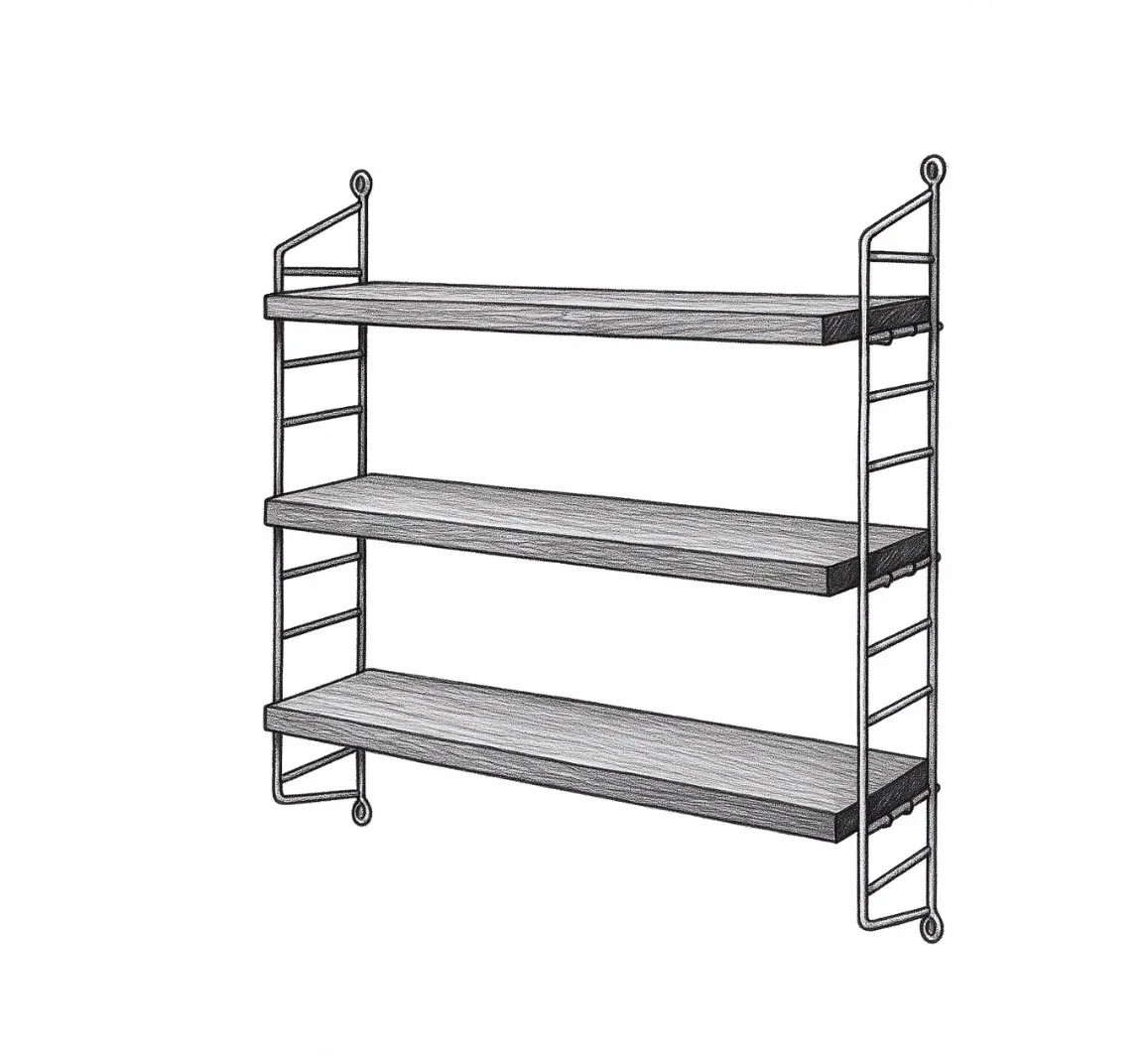
Kajsa and Nisse Strinning
Back in 1949, married architects Kajsa and Nisse Strinning won a design competition with what would become one of the country’s most famous design classics: the String System, or Stringhylla as we call it in Sweden. It’s a smart design that is lightweight and adaptable, made to work across different spaces and needs.
I grew up seeing String in all kinds of Swedish homes, from small city apartments, to family houses in various styles. It’s the kind of piece you can add to over time, reconfigure for a new space, and bring with you when you move.
That flexibility, combined with its clean, airy design, is what has kept it timeless. It is thoughtfully designed to live beautifully for decades.
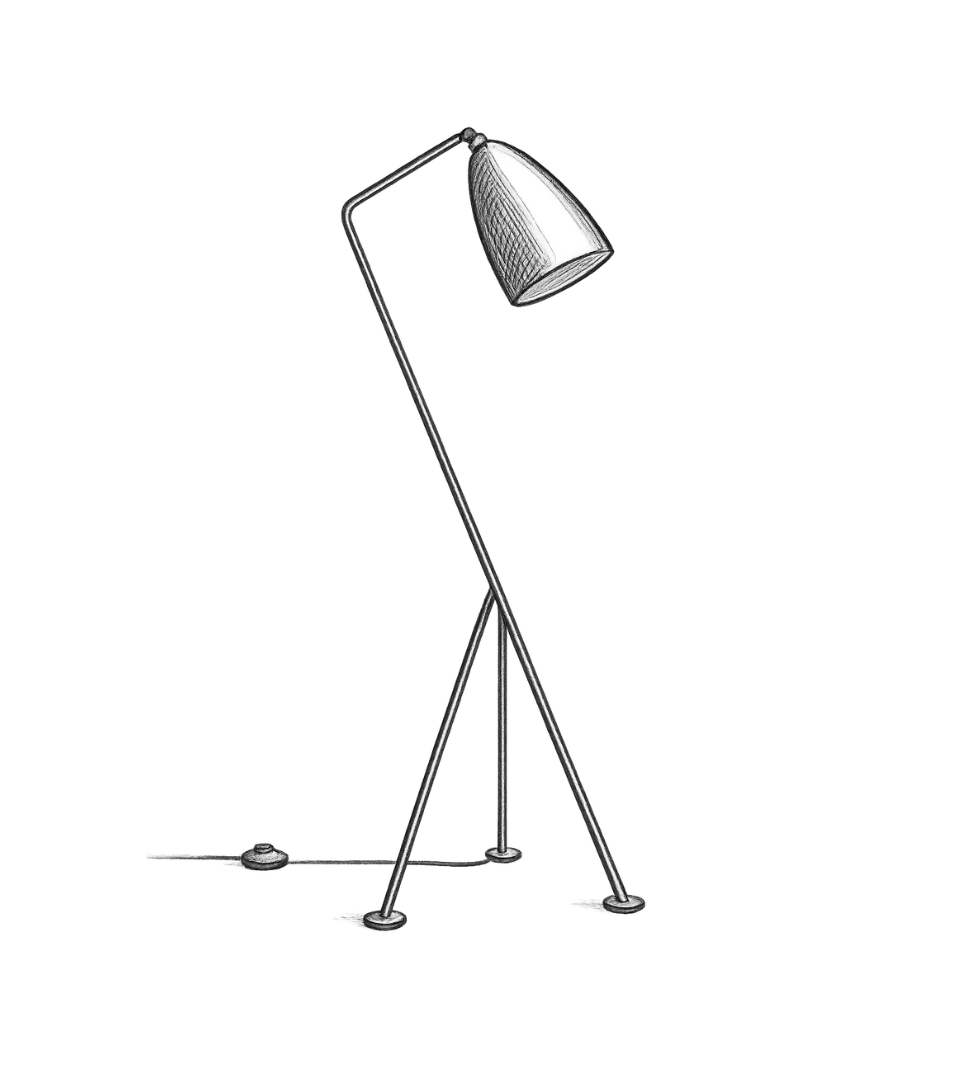
Greta Magnusson-Grossman
Designed in 1947 by Greta Magnusson-Grossman, the Grasshopper floor lamp (or Gräshoppa golvlampa in Swedish) is one of those pieces that catches your eye. Its slender, angled stand and elongated shade give it a light, sculptural feel that lives up to its name.
Working in a male-dominated field, Magnusson-Grossman became an influential figure in the modern movement, practicing as both a designer and architect and building much of her career after moving to California in 1940.
I’ve always found the shape of the lamp so intriguing. It has a sense of movement and personality, yet still feels clean and understated. Stylistically, it’s a versatile piece that adds character without overwhelming, and definitely one I hope to have in my own home someday.
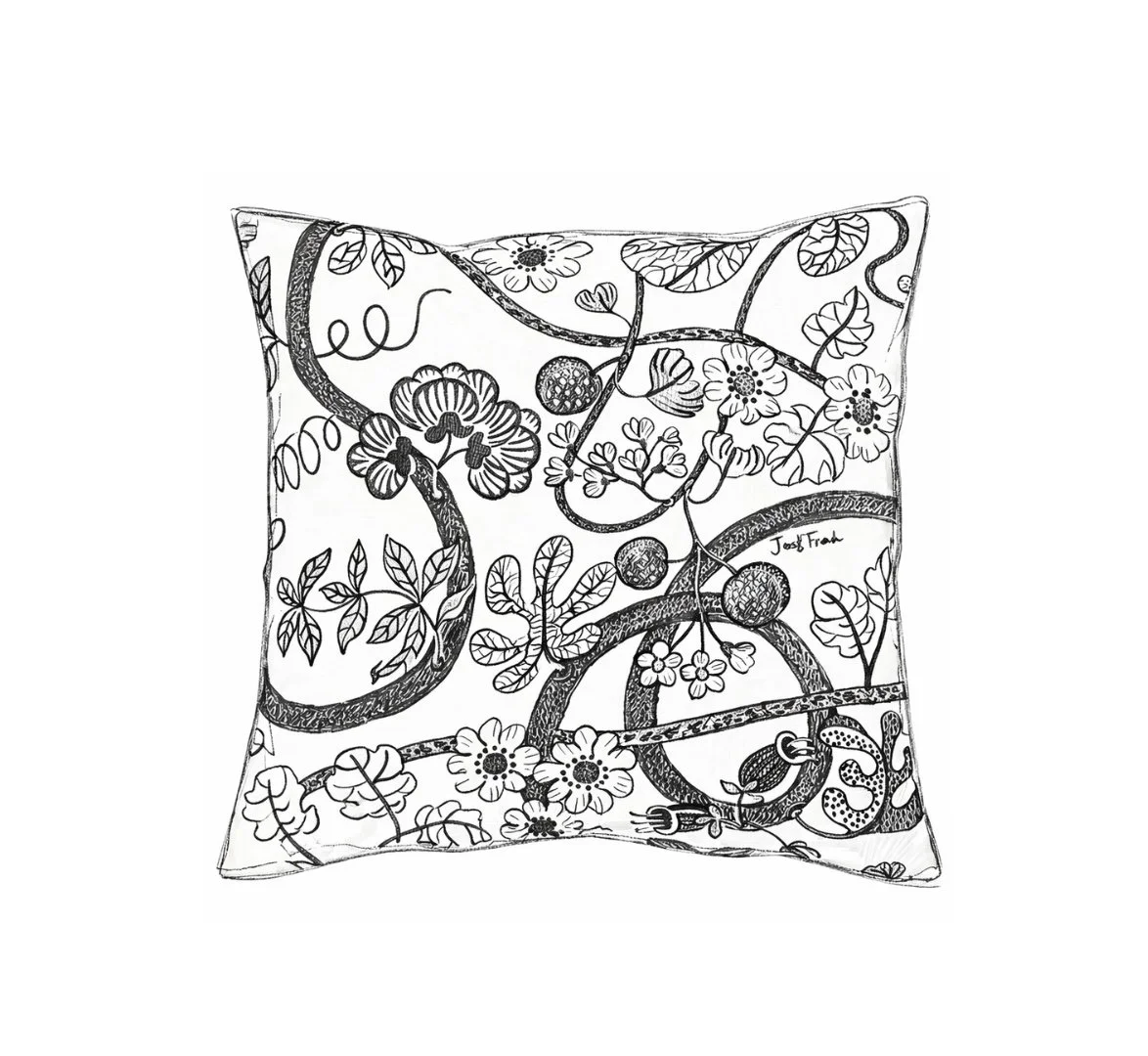
Josef Frank for Svenskt Tenn
Austrian-born Josef Frank moved to Sweden in the 1930s with his Swedish wife. He started designing for Estrid Ericsson, founder of design company Svenskt Tenn in Stockholm. Their collaboration was very successful and lasted more than three decades until his death.
He is probably best known for his repeat patterns, such as the Baranquilla, Brazil and California featuring bright, bold colors and expressive floral and botanical motifs. His designs are instantly recognizable and still in high demand today.
Bruno Mathsson
Mathsson helped define modern Swedish furniture. He studied the body’s natural shape (including observing imprints in snow) and designed ergonomic, minimal low-slung chairs, introduced well before their time and were initially met with hesitation. He was also an architect and completed about 100 structures in the 1940s and 50s and was first in Sweden to build all-glass structures with heated floors.
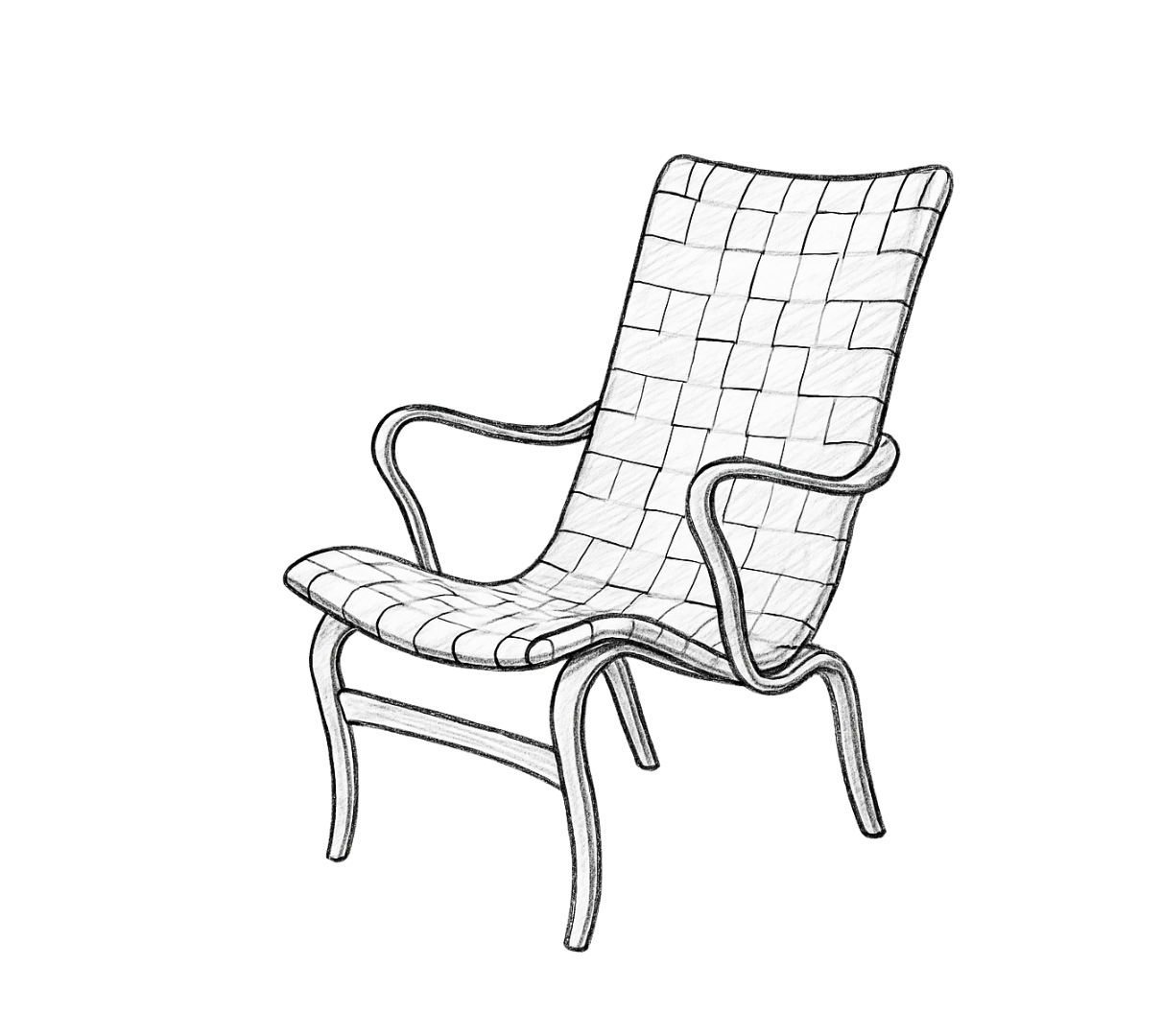
Mathsson created a series of chairs, the Model 36 Work-, Rest- and Lounge Chair, which he showed at his debut exhibition in 1936. The Work Chair was developed further with the addition of armrests and was given its final design in 1941. It was later renamed the Eva Chair.
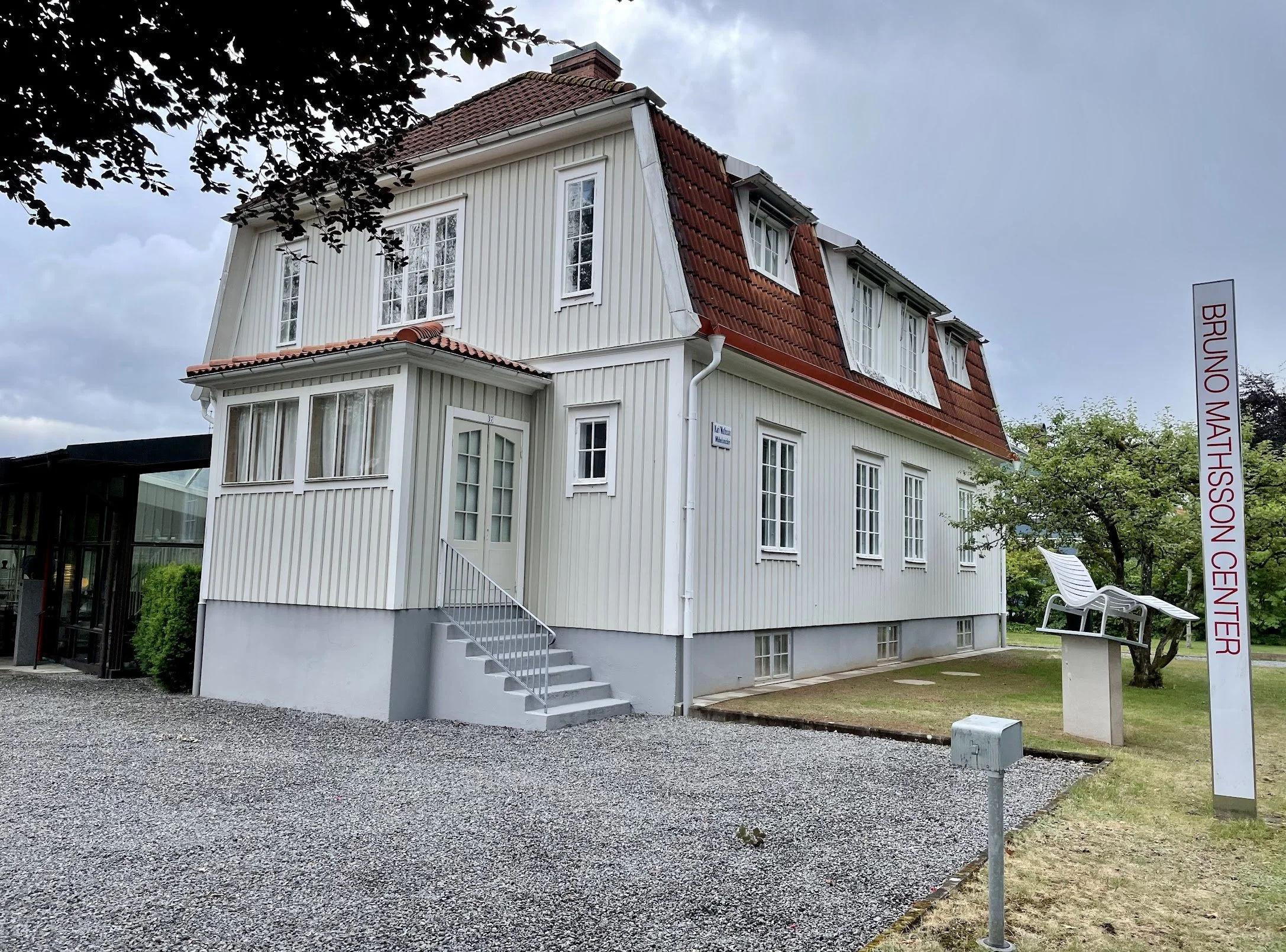
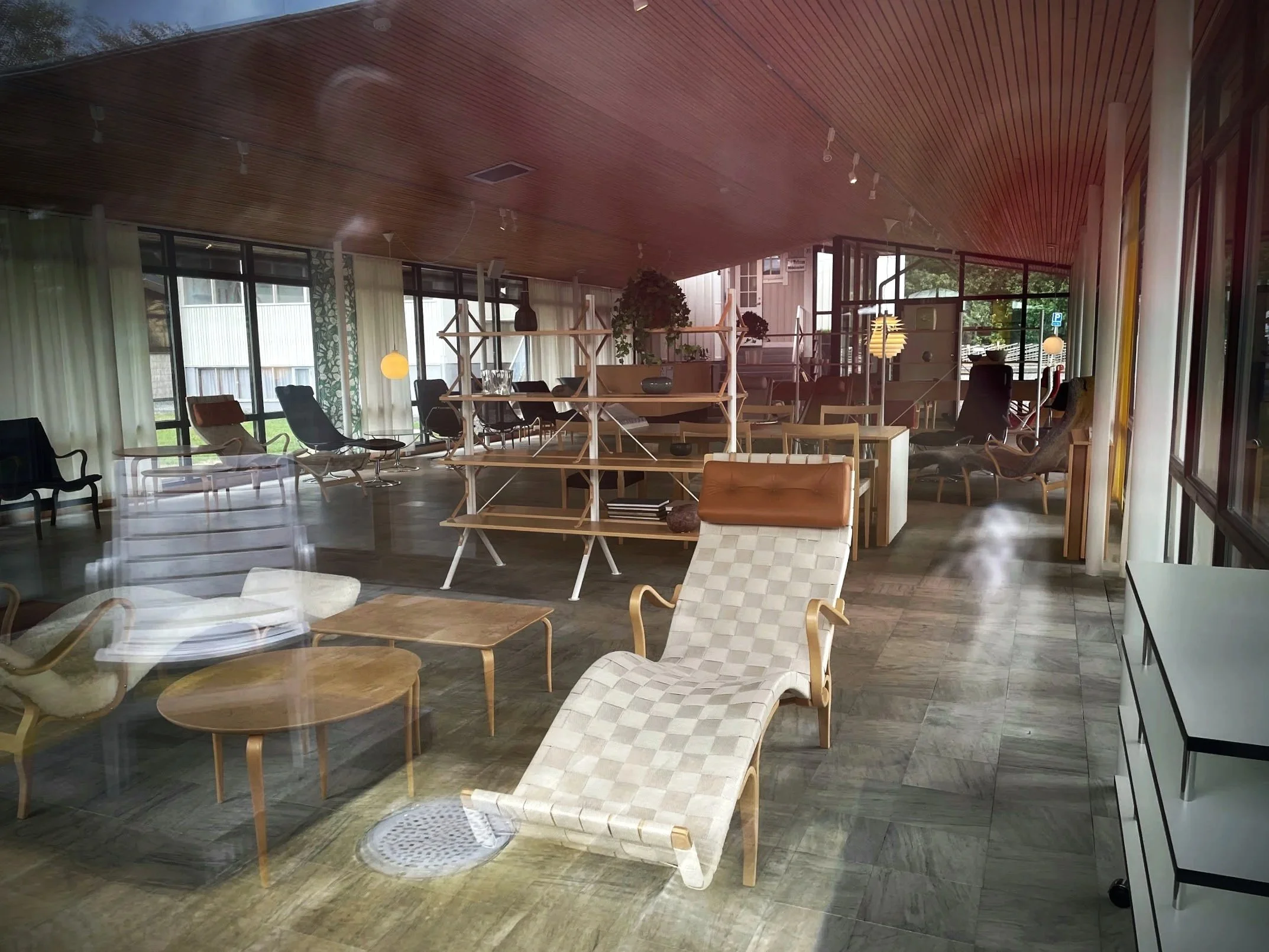
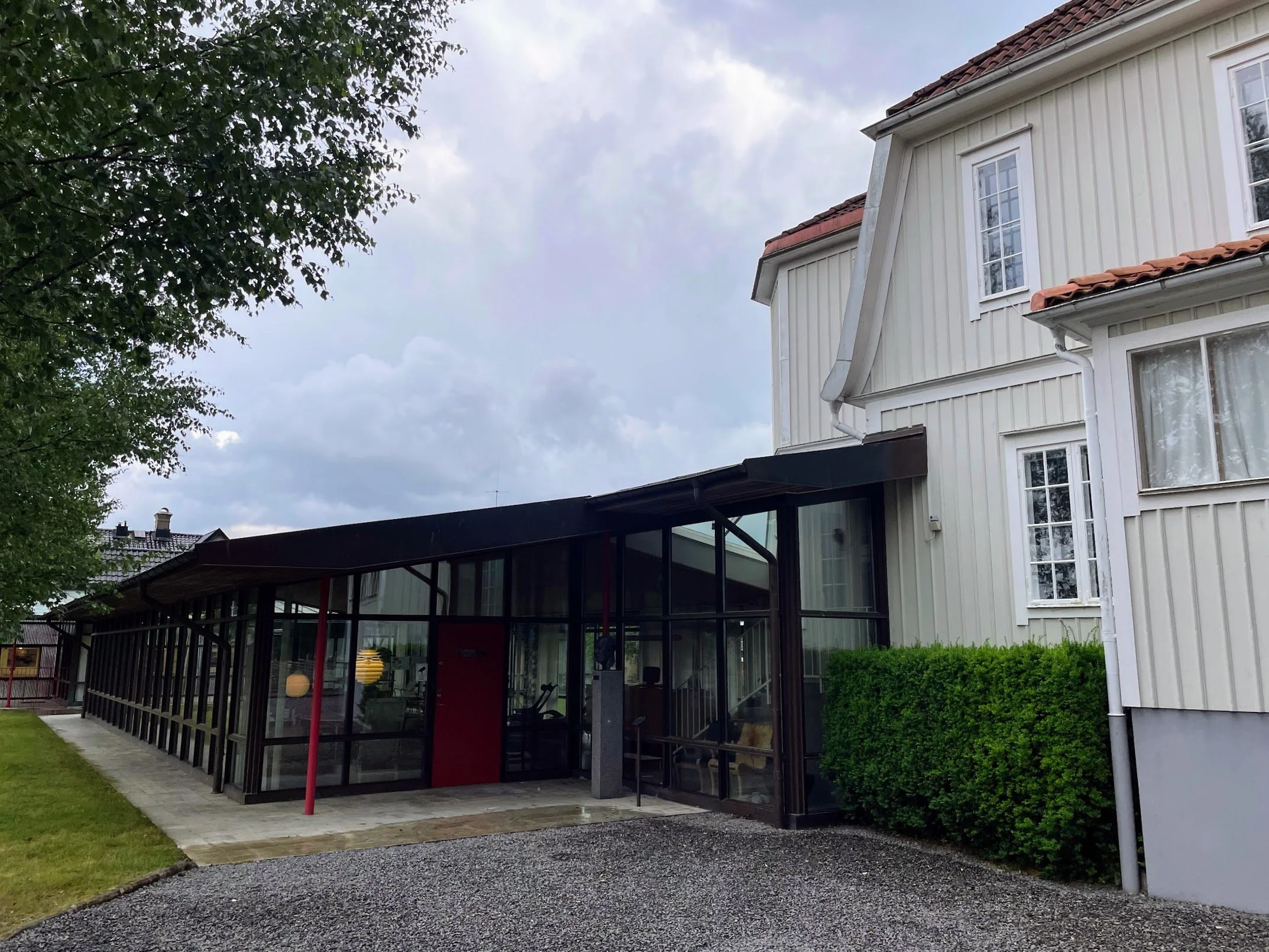
Mathsson was born and worked in Värnamo, in southern Sweden, where his legacy is still honored at the Bruno Mathsson Center, located at his parental home and the glasshouse he designed next to it in 1950. See photos from my visit below. I personally adore all of Mathsson’s webbing chairs!
Artur Lindqvist
Grythyttan Stålmöbler is a Lindqvist multi-generational family company, still based in the small village that shares its name. It began as a horseshoe manufacturer in 1895, and when demand declined, Artur Lindqvist turned his focus toward furniture, inspired by the ideas of Nordic functionalism.
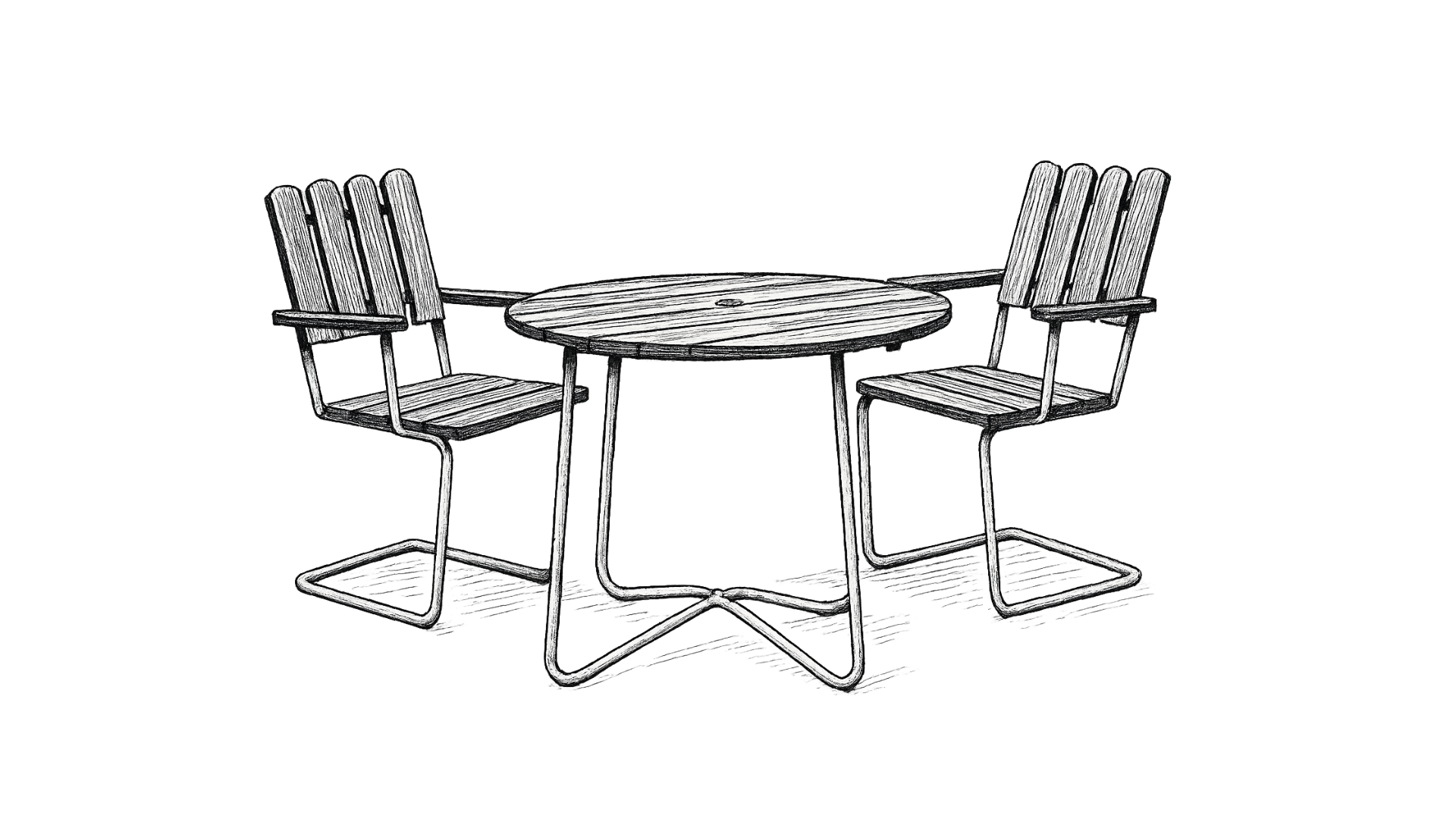
In the early 1930s, he designed a series of outdoor furniture that would become Swedish classics. The A2 armchair and the 9A table combine a simple steel frame with slatted wooden seats and backs, designed to be durable, comfortable, and suited for the outdoors. The spring in the steel frame gives the A2 its comfort, while the natural wood weathers beautifully over time.
In Sweden, these pieces always feel like summer. You’ll find them on cottage patios, in gardens, and outside cafés, year after year. For me, they brings back memories of long Swedish summers spent outdoors.
Carl Malmsten
Carl Malmsten was one of Sweden’s most important furniture designers, known for his commitment to craftsmanship and natural materials, and a design approach rooted in tradition rather than strict functionalism.
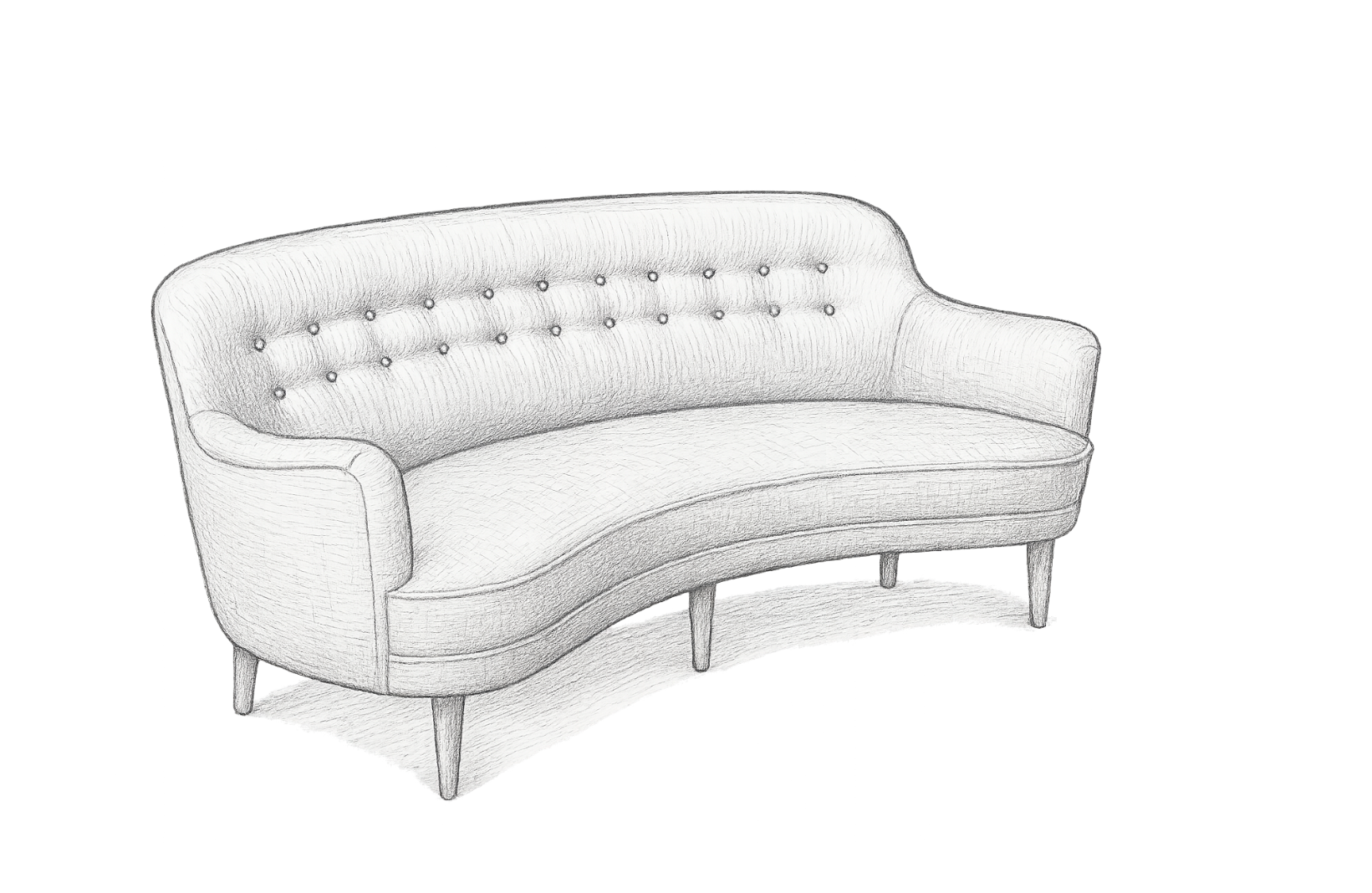
The Lilla Åland Chair, inspired by traditional spindle-back chairs, has become one of Sweden’s most recognizable and widely used dining chairs. The Runda Samsas Sofa, introduced in the 1960s, was originally designed for a private home to fit beneath a bay window. Like many of Malmsten’s upholstered pieces, it evolved from earlier designs that he refined over time, reflecting his belief in slow development and lasting forms rather than constant reinvention.
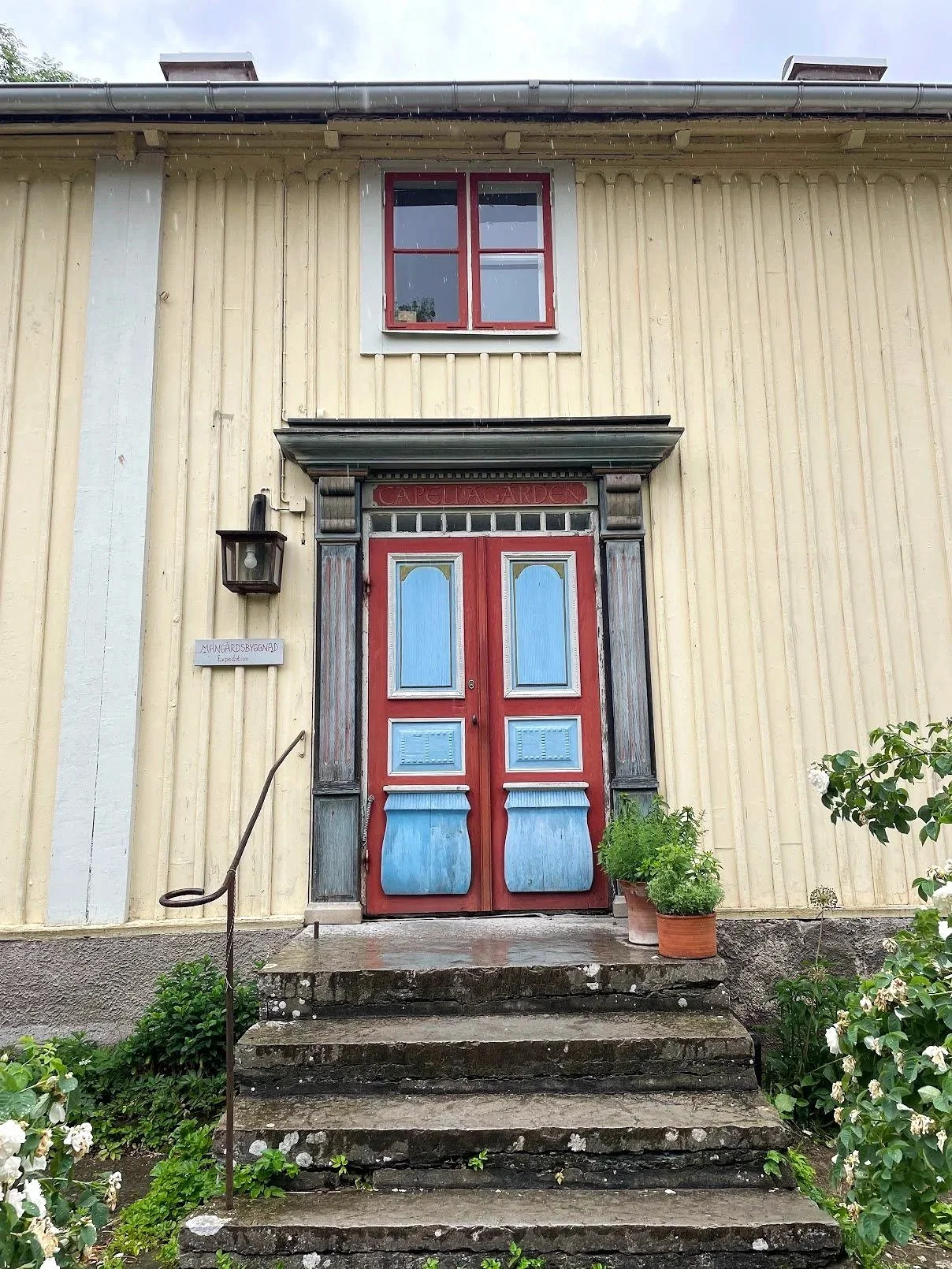
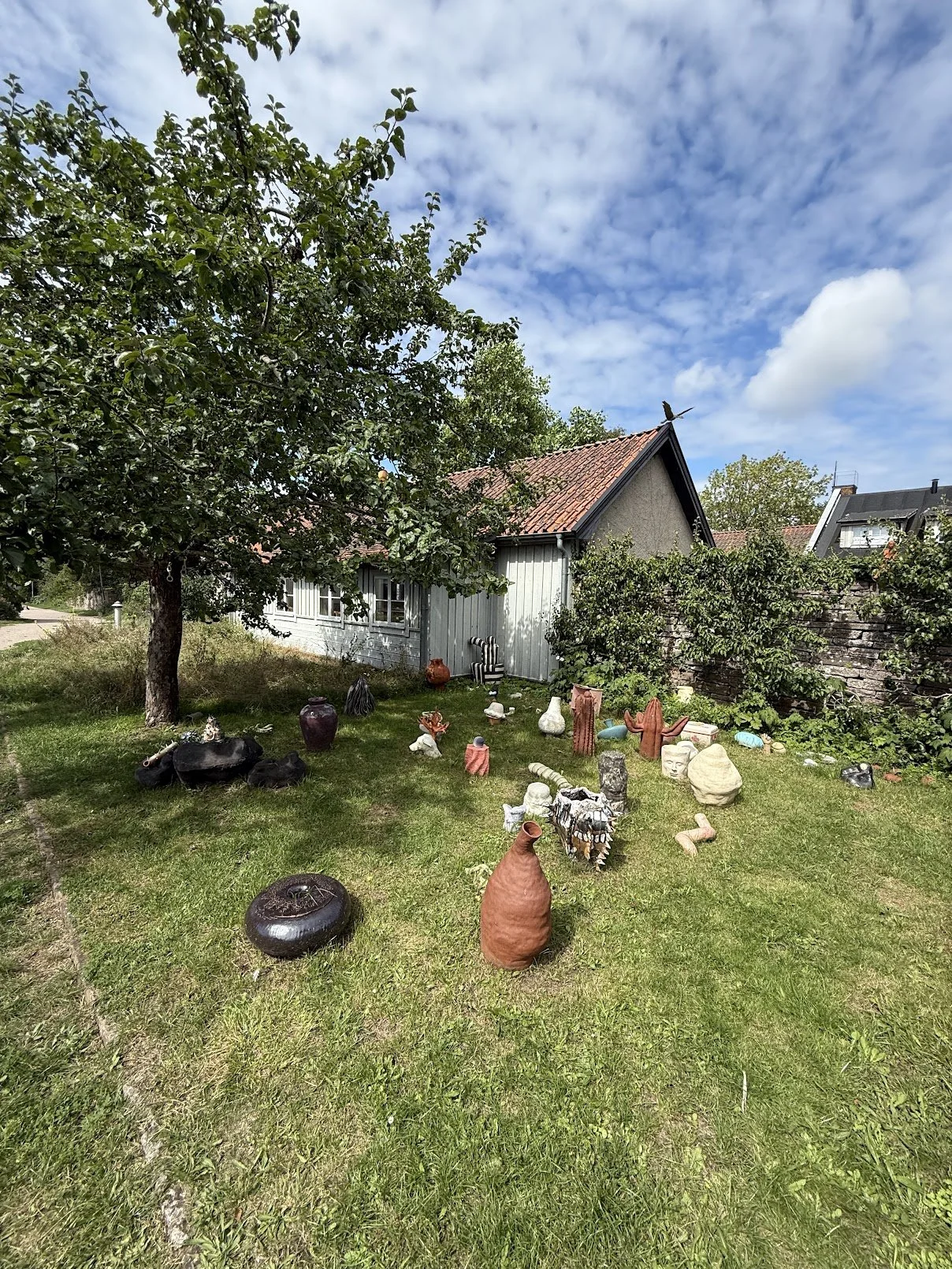
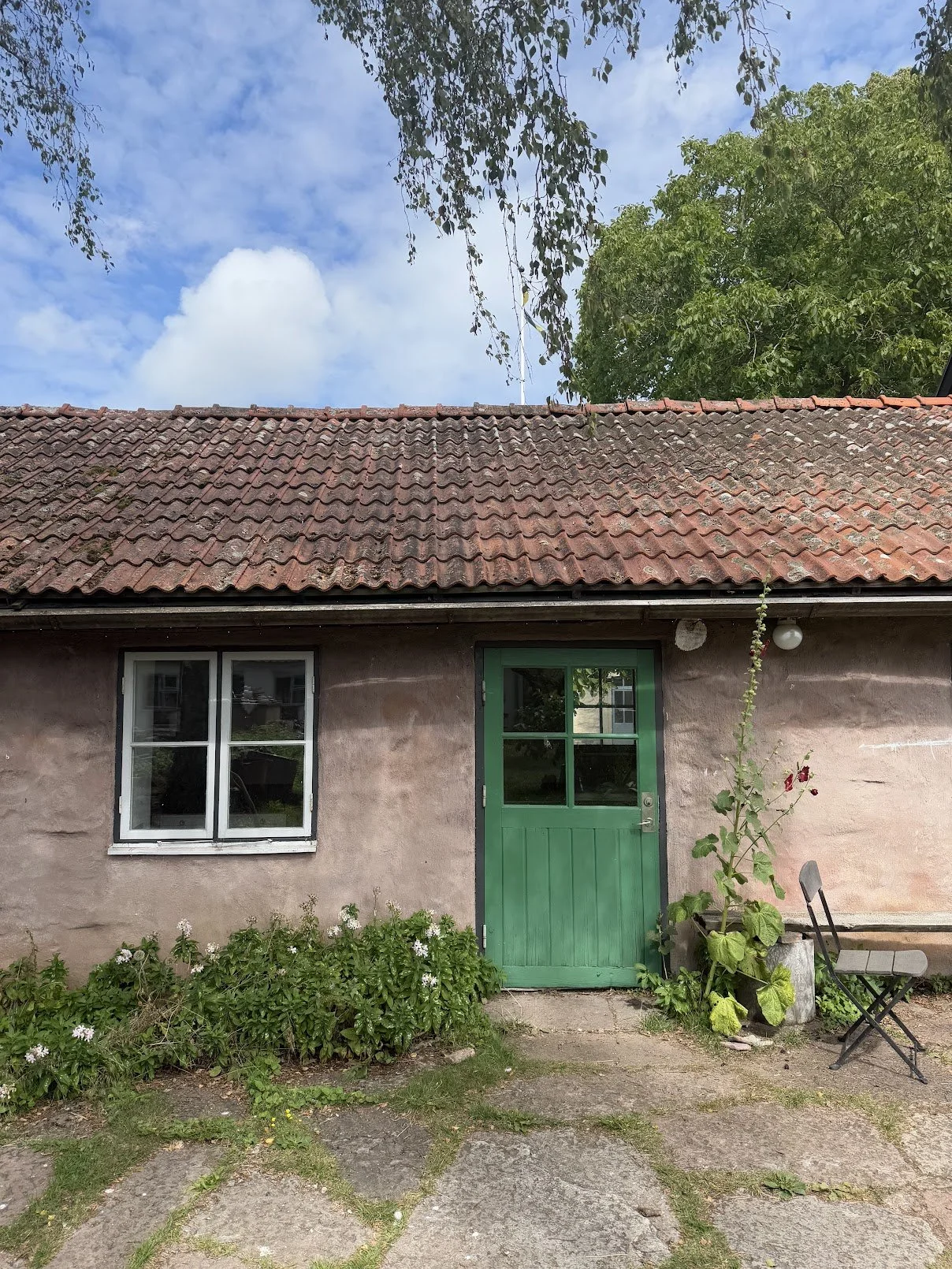
Malmsten founded multiple schools to pass on the values of craft and material knowledge, including Capellagården on the island of Öland which he established with his wife Siv Malmsten. In addition to furniture and woodworking, the school offers education in areas like gardening, ceramics, and textiles. See photos below from my visit to the beautiful campus.

Stig Lindberg
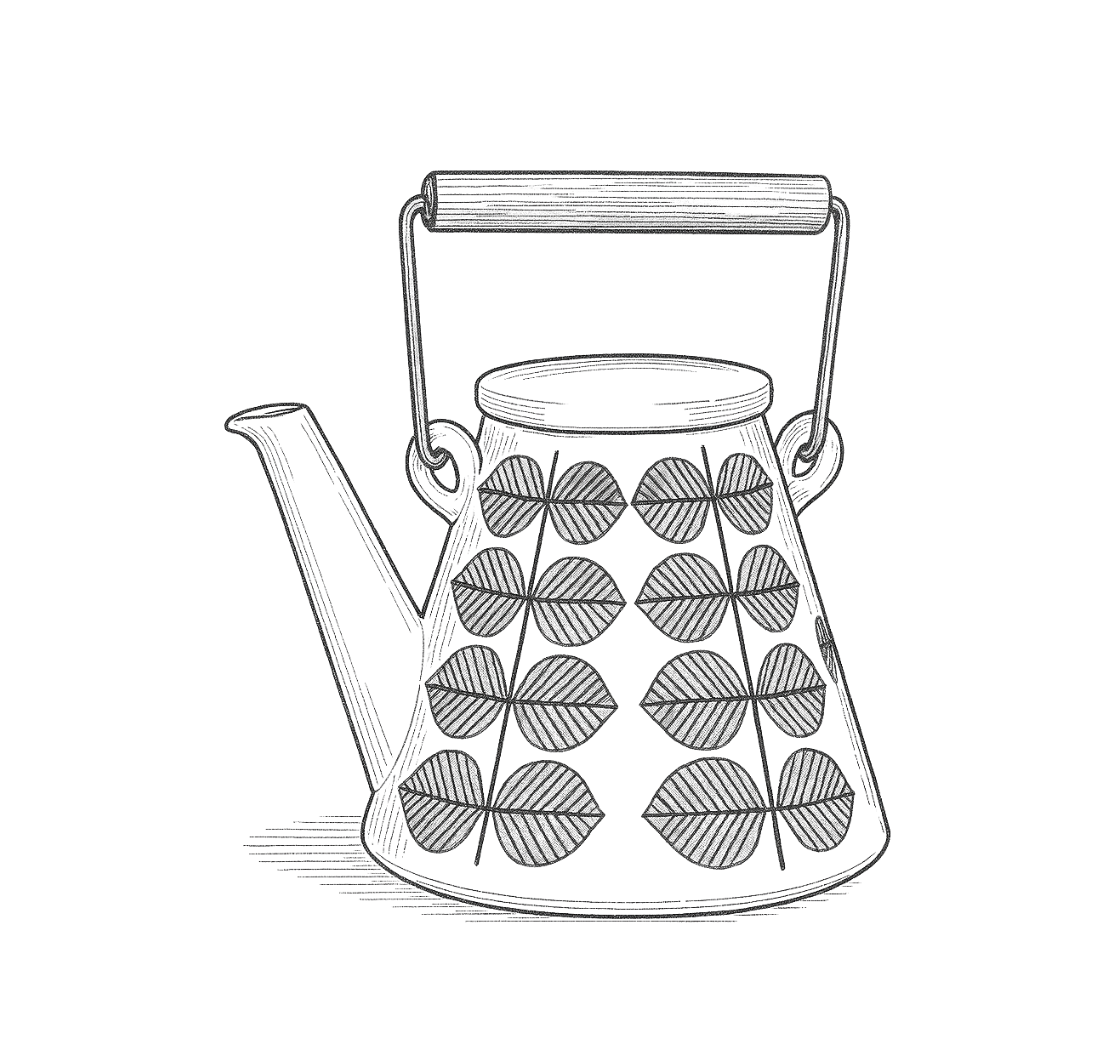
Stig Lindberg was one of Sweden’s most beloved designers and illustrators, known for his playful style and ability to bring personality to everyday objects. During his long career at Gustavsberg, he designed ceramics and tableware, while also working with textiles, glass, and illustration, including artwork for several well-known Swedish children’s books.
The Berså pattern, introduced in 1961, is one of his most iconic designs. Its simple green leaves was actually created by one of Lindberg’s assistants, but as was customary at the time, the design was released under the studio master’s name.
In Sweden, Lindbergs designs feel both familiar and nostalgic, while at the same time fresh and relevant today.
Gunilla Allard
Gunilla Allard is one of Sweden’s most renowned contemporary furniture designers, known for her minimalist, elegant style. Before beginning her design career, she worked in the film industry creating sets and props, an experience that led her to study design.
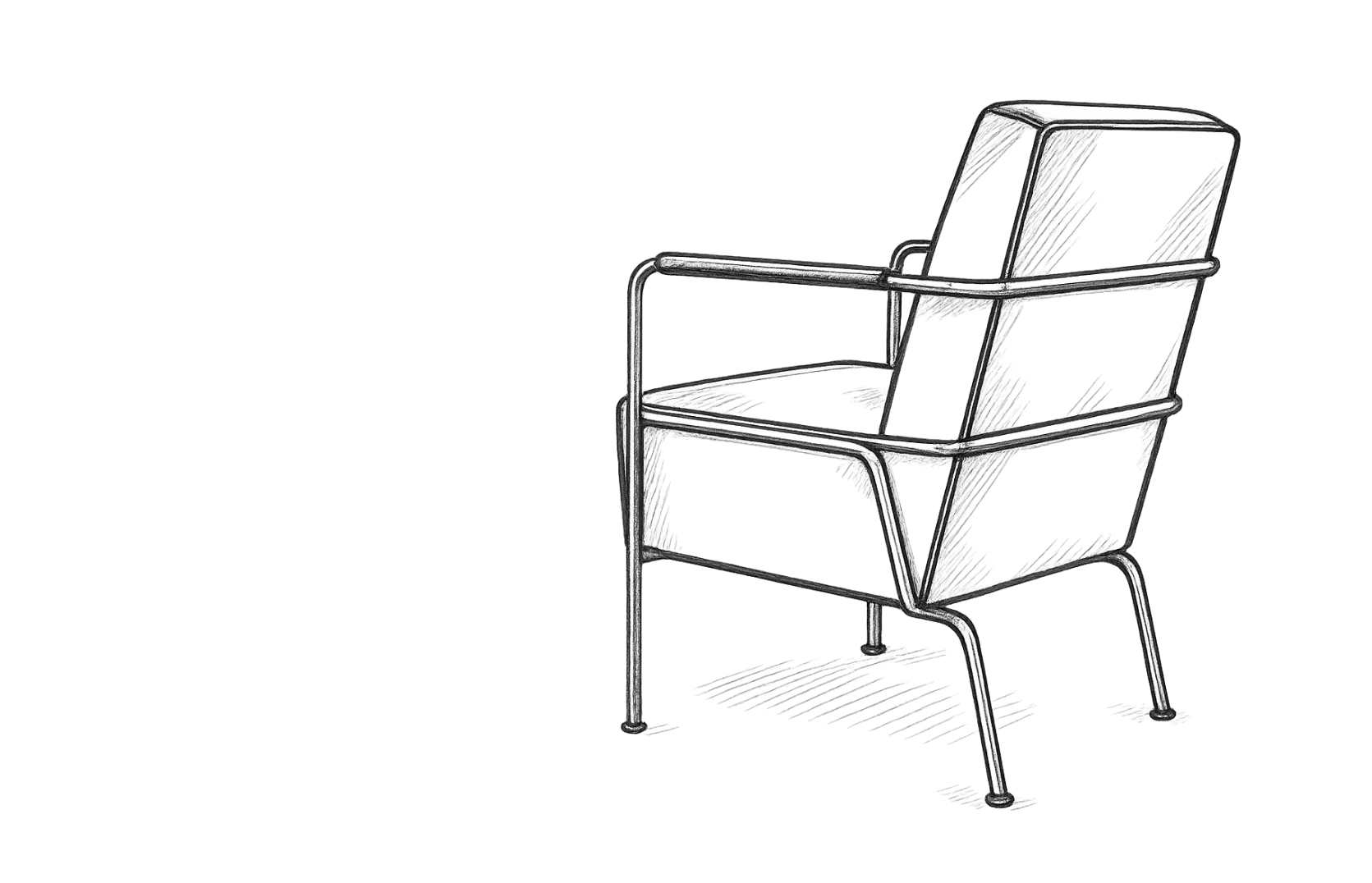
She is best known for the Cinema series, including the Cinema Chair designed for Lammhults in 1994, where she was the company’s first female designer. The design was inspired by details from classic sports car seating, such as precise leather stitching, strong support, and comfort within a compact footprint.
Allard has received multiple awards for her furniture. In addition to seating, she has designed carts, lighting, rugs, and glassware. I especially love the red versions with the black frame of the Cinema series and hope to incorporate them into a project someday.
Yngve Ekström
Yngve Ekström, co-founder of Swedese, was a self-thought carpenter and furniture designer, who played an important role in the post-war modern movement. He experimented with shapes and wood.
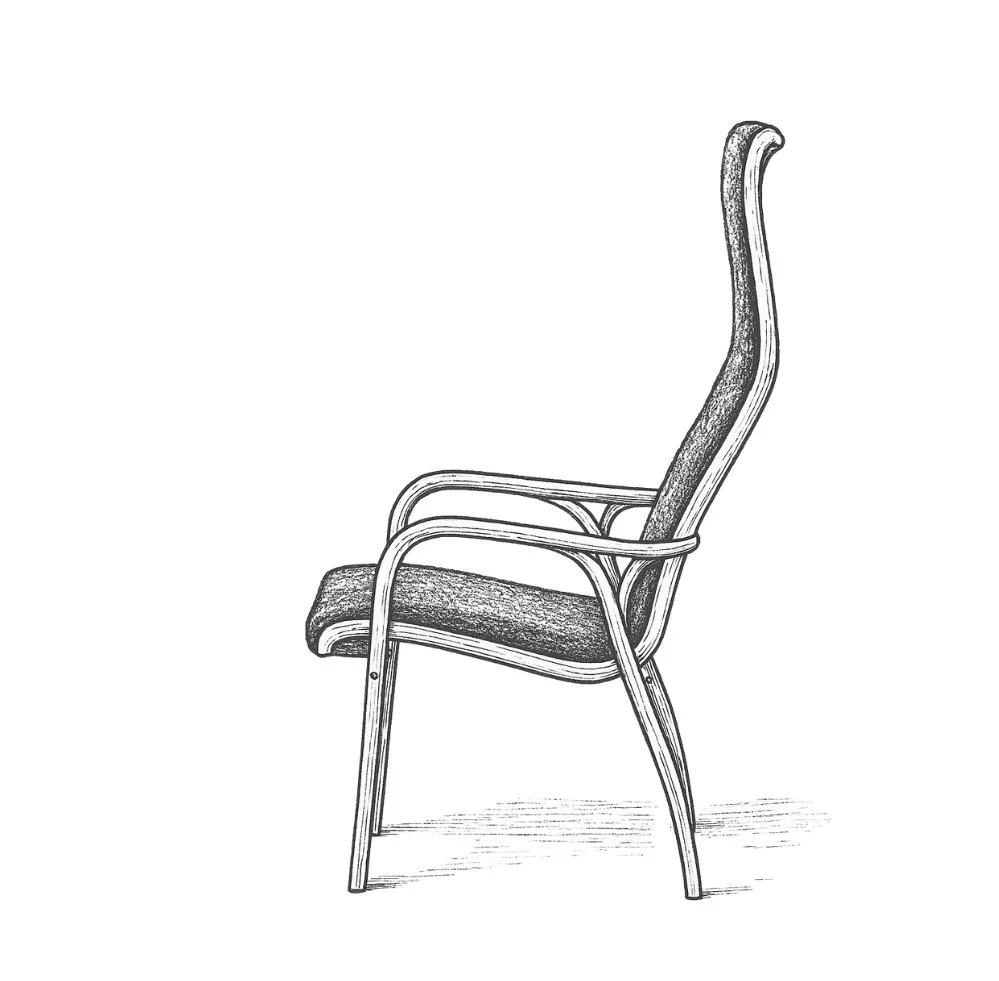
Designed in 1956, the Lamino chair is one of Sweden’s most beloved design icons. Often upholstered in sheepskin, it adds warmth and texture while maintaining a clean, understated look with its light, curved frame.
When the Swedish interior design magazine Sköna Hem asked readers to name the furniture piece of the 20th century in 1999, they chose the Lamino, which goes to show how popular it continues to be. Still produced by Swedese in their factories in Småland today.
JONAS BOHLIN
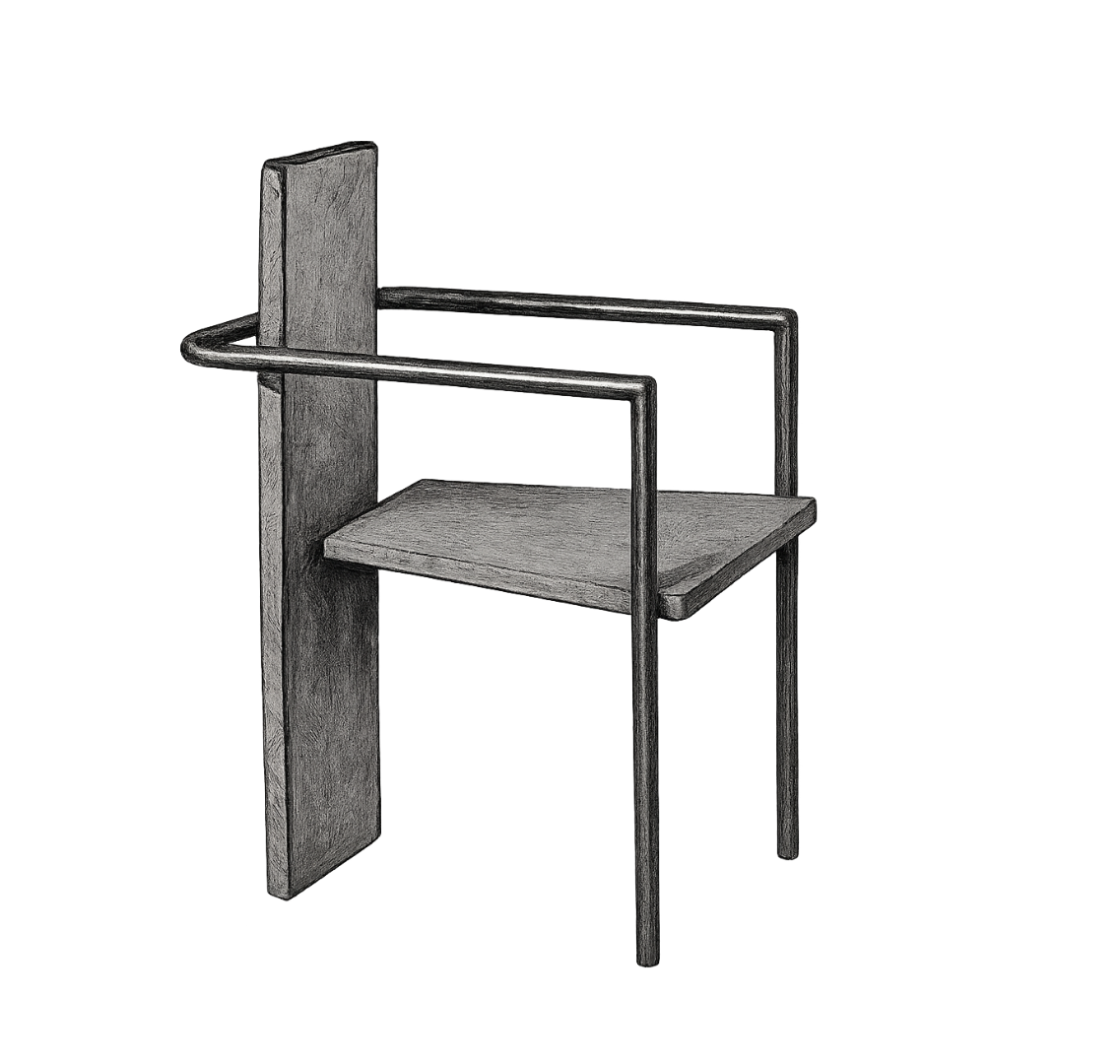
Jonas Bohlin made his breakthrough in 1981 with the Concrete Chair (Betongstolen in Swedish). With its solid concrete seat and simple steel frame, it reads more like a sculptural object than everyday furniture. It was produced in limited edition and has since become a collector’s piece. Later versions are still produced today, in wood and steel.
Bohlin has worked across furniture, lighting, and interior architecture. His work includes collaborations with Swedish manufacturers such as Grythyttan Stålmöbler (mentioned above), as well as interior design for well-known restaurants in Stockholm.
He has also designed a number of beautiful light fixtures. One of my favorites is the Oxid outdoor wall light, which I love in raw copper or raw brass, where the material develops a natural patina over time.
I haven’t yet sat in the Concrete Chair myself. Please tell me all about it in the comments below, if you have sat in it!
Whenever possible, I always encourage starting with vintage when searching for these classics, and some are only available through the secondary market. That said, many of these designs are still in production today, still with a strong focus on quality and responsible manufacturing. If you’re looking for new pieces available in/shipping to the U.S., you can find them through the sources below.
Gunilla Allard trolley for Design House Stockholm
Sweden is just one part of a larger amazing Scandinavian design story. In future entries, I’ll be sharing some of my favorite iconic pieces from designers in Denmark, Norway, and Finland. I’d also love to hear from you - which Swedish designers or pieces would you add to this list?
XO - Jenny
If you’re looking to bring pieces like these into your own home, this is something I love helping clients with. From selecting the right designs to sourcing both vintage and new, my goal is to help you find your forever pieces!